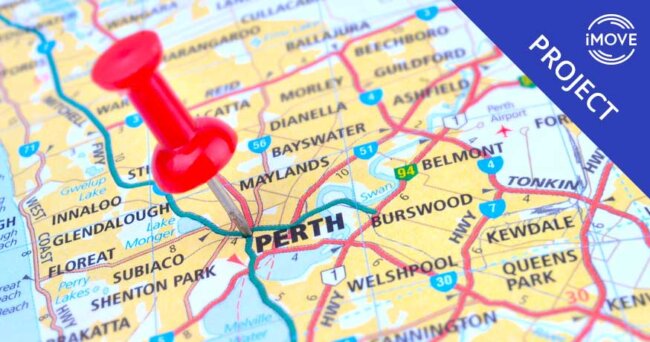
Defining transport disadvantage in Perth
Literature review/stakeholder interviews to guide the estimation of the extent, spatial distribution, & nature of transport disadvantage in the Greater Perth region.


Literature review/stakeholder interviews to guide the estimation of the extent, spatial distribution, & nature of transport disadvantage in the Greater Perth region.
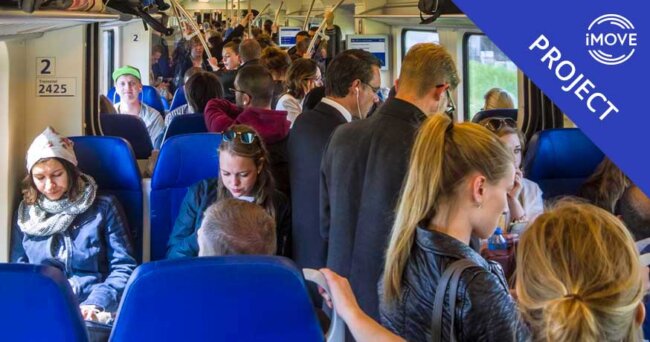
This project will provide a comprehensive review of currently available Australian anthropometric data and its applicability to the Australian Transport industry.

This project aims to update and expand the TRavel, Environment and Kids study (TREK) conducted in Perth in 2005.
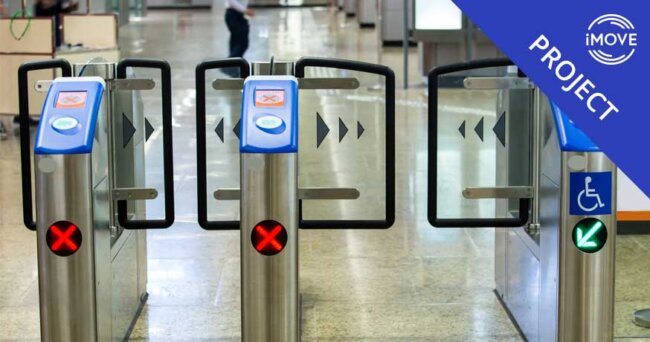
This project explores new/emerging technologies offering a true frictionless ticketing experience across multiple modes for disabled public transport customers.
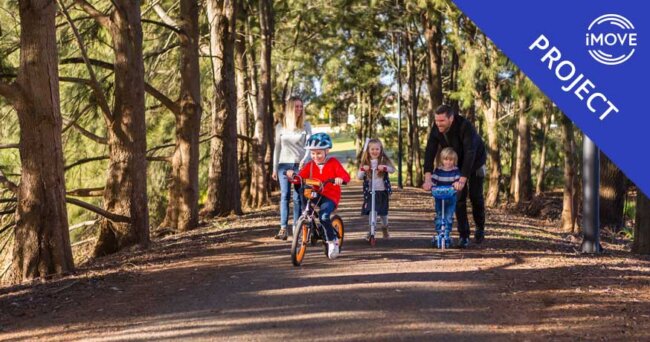
The research project will provide evidence of the short to medium-term changes and benefits of the Active Travel Plan, as well as enable longer-term benefits.
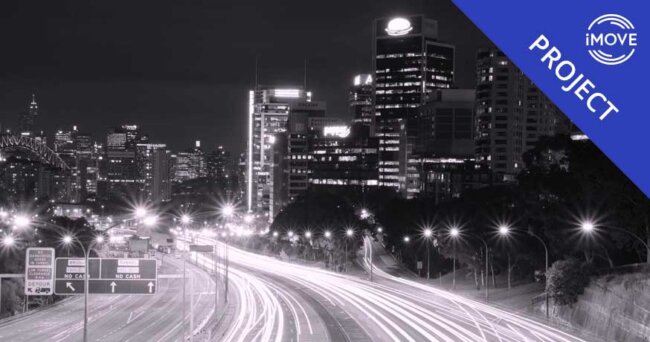
Use of AI and machine learning techniques in collecting AusRAP data has potential to reduce costs and increase the frequency and accuracy of its information.
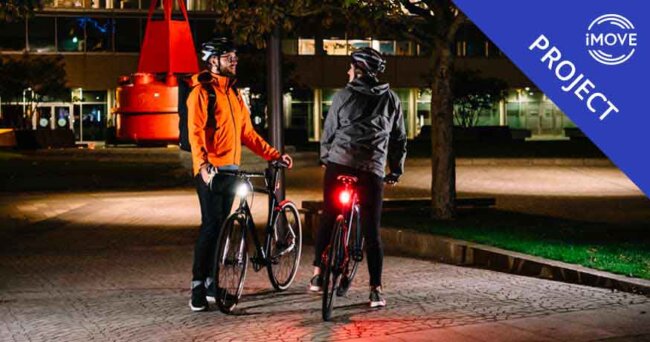
A project investigating whether smart bike lights will not only enhance visibility, but also provide new insight into road safety issues for cyclists.
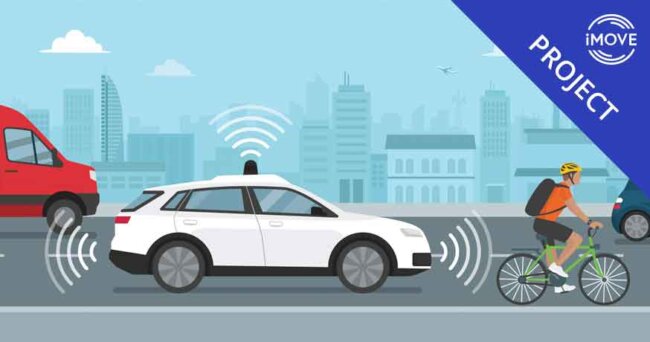
This project will investigate AV/pedestrian interaction and AV/cyclist interaction to help introduce AVs to Australian roads safely and effectively.
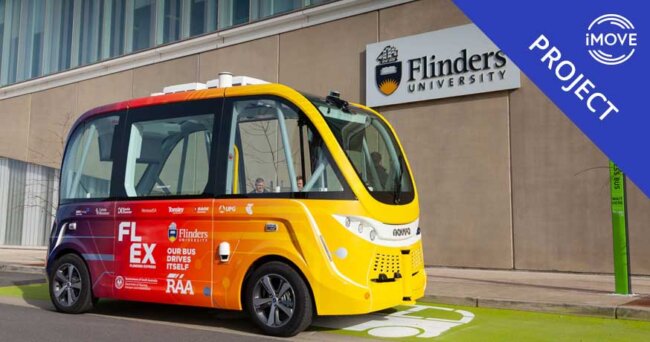
From lessons learnt in the FLEX autonomous shuttle trial at the Tonsley Innovation District, this project will deliver new, innovative use cases for FLEX.
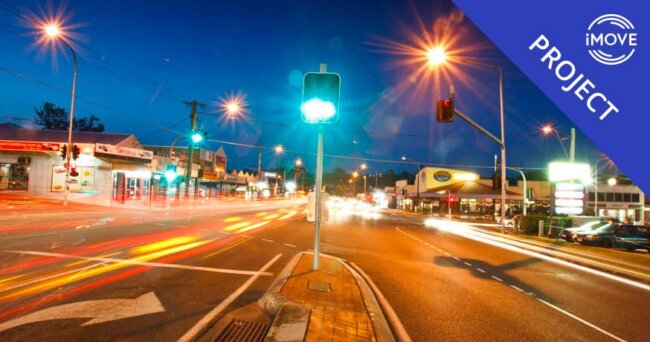
The build of standardised analysis methodology to evaluate the safety benefits of C-ITS, guiding transport agencies in regard to supporting its development.
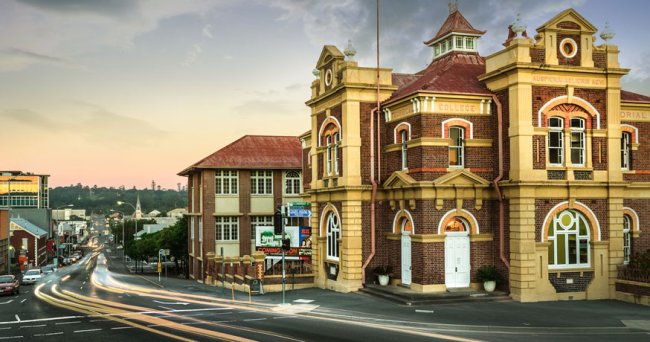
The Ipswich Connected Vehicle Pilot sees hundreds of cars fitted with technology to allow them to communicate with each other and with road infrastructure.
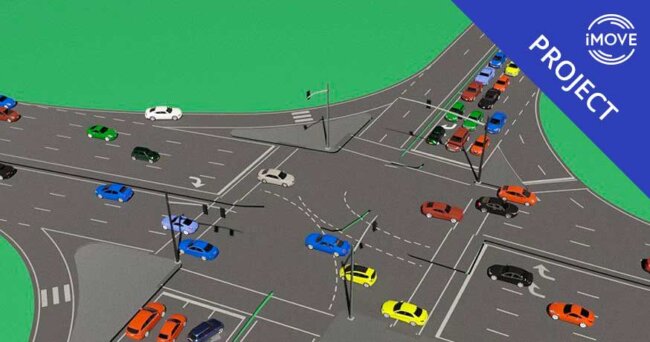
A research project exploring how traffic controls can be optimised to accommodate both legacy and autonomous vehicles, plus vulnerable road users.
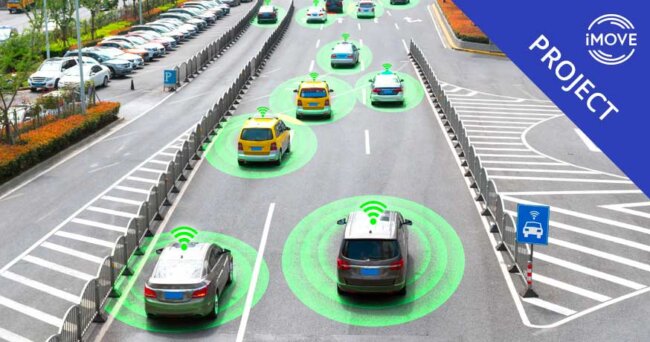
Safety and congestion are two of the key challenges on our networks and there is strong potential for connectivity and C-ITS to help.
This proof-of-concept project aims to develop a Vehicle to Bicycle (V2B) communication system to reduce collisions and enhance driver awareness of cyclists.

This project will develop a series of evidence-based design principles and guidelines to balance place-making and vehicle movement in NSW.