The future for hydrogen heavy vehicles & infrastructure in NSW
iMOVE’s ‘Investigating the viability of hydrogen fuel for heavy vehicle use’ has been completed, and the final report is available for download.


iMOVE’s ‘Investigating the viability of hydrogen fuel for heavy vehicle use’ has been completed, and the final report is available for download.
This project will investigate the environmental impacts of the transition from conventional vehicles to Connected and Automated Vehicles in Australia.
The study will update and improve the evidence base available to NSW, QLD, and VIC governments for bulk grain production/movements on the east coast.

This research will examine why people in Perth use electric rideable devices (micromobility), specifically use of their own devices rather than shared devices.
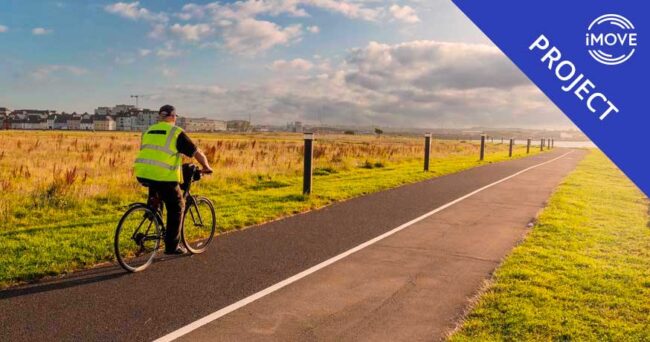
Development of a framework to model benefits of cycling infrastructure investments and design a prioritisation tool to generate evidence and compare benefits.
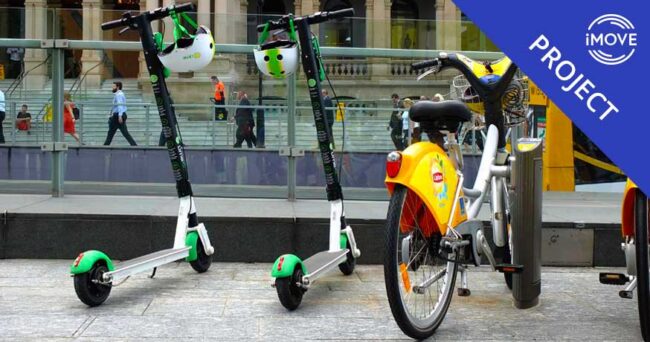
The intent of this project is to better understand active travel demand – people’s choices to use active travel, trip purposes, and their route choices.
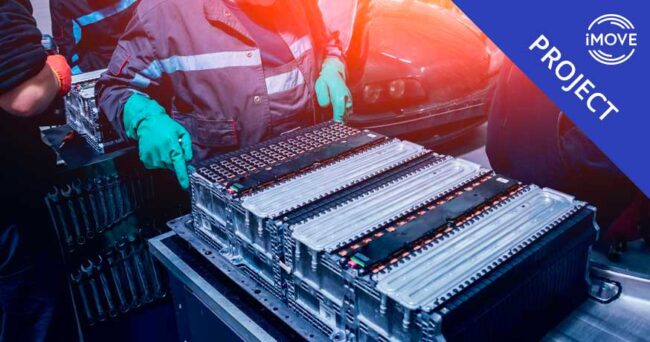
This project will investigate & develop solutions for sustainable repurposing of used batteries from electric vehicles (EV), including mining trucks, buses, & cars.
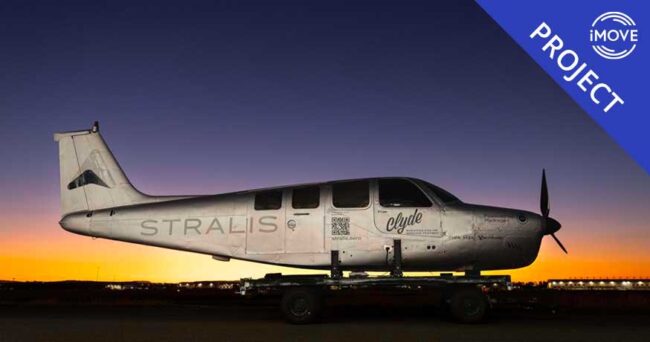
This project will develop a Simulink model of the Stralis A36-HE Bonanza aircraft and hydrogen electric propulsion system (HEPS).
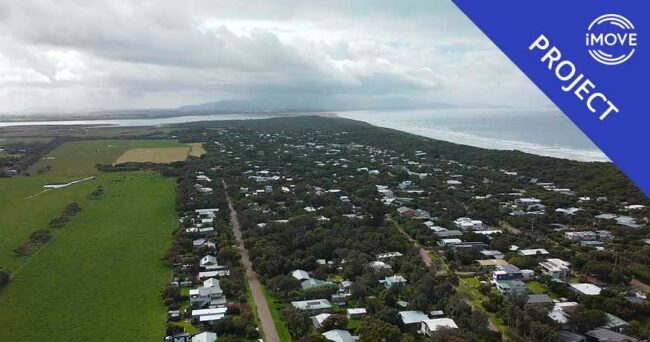
This project will pilot a community-run electric shuttle in Venus Bay and Sandy Point in Gippsland, and evaluate best practices to run such a service elsewhere.
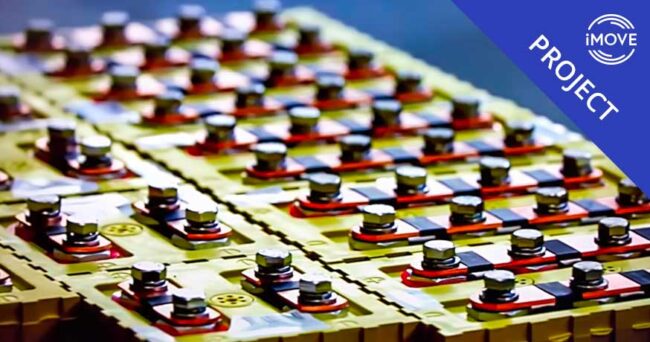
Handling retired EV batteries sustainably will become a major challenge. This project, we research current and emerging practices for the next life of batteries.
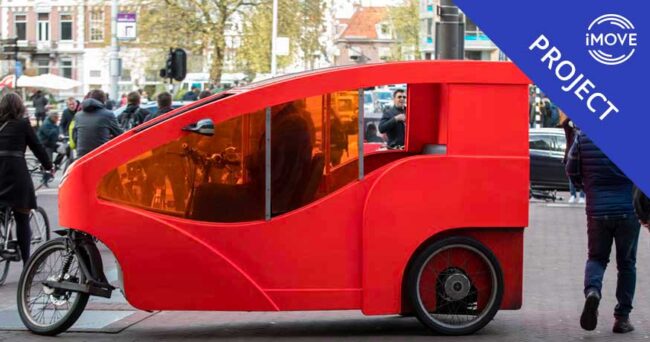
This project will consider the applicability and potential for micromobility to assist with the last mile freight task in the Perth CBD and other urban areas in WA.

The key aim of this is to develop the foundation to inform post-2030 electricity systems of the impact and needs brought on by the electrification of transport.
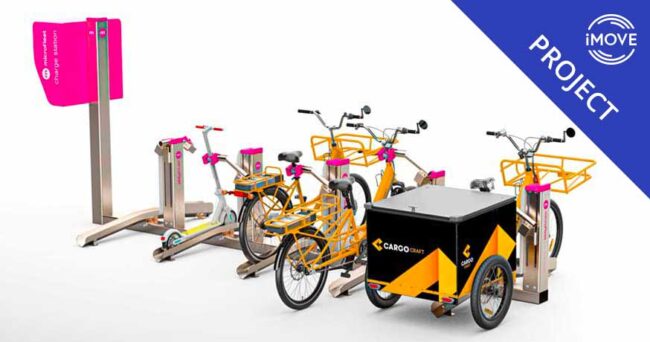
This project will enable microFleet to accelerate development of the OneDock universal e-micromobility charging station platform.
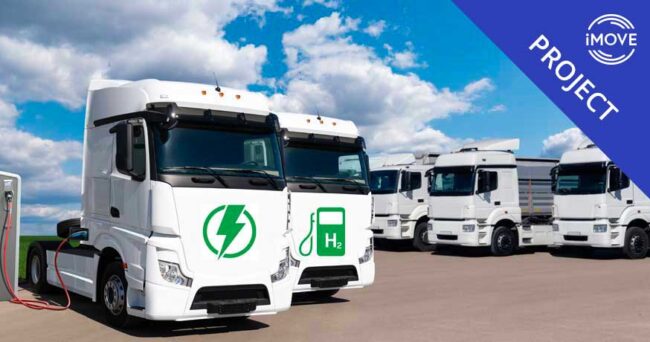
Recommendations/policy directions for transition to LZEV trucks, & analysis of total cost of ownership & geospatial roadmap analysis for refueller / EV chargers.
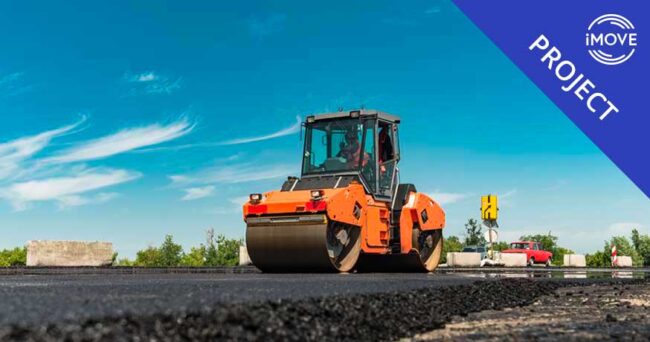
This project will explore the potential of biochar for use as a climate-responsible, high-performance, pavement material.

This project will explore how potential consumer challenges to achieving Net Zero emissions might be overcome, in particular looking at three key technologies.